
Ubud
Cultural Heart of Bali
About Ubud
Ubud has drawn artists, healers, and seekers for over a century — and for good reason. The town sits at the intersection of Bali's artistic and spiritual traditions, surrounded by terraced rice fields, sacred temples, and jungle-draped gorges. It is the home of traditional Balinese painting, wood carving, silver work, and dance forms that are performed nowhere else on earth with the same depth of tradition. Yet Ubud is not a museum. It is a living town where these crafts are still practised daily, still taught in family compounds, still offered to the gods at temple ceremonies that happen every few days somewhere in the surrounding villages.
Highlights
- Tegalalang Rice Terraces
- Monkey Forest
- Ubud Palace
- Campuhan Ridge Walk
- Art Market
- Sacred Monkey Forest Sanctuary
Experiences
20 Experiences in Ubud
 Art & Craft
Pottery Making Class
From IDR 450.000
Pottery Making Class
 Services
Private Chef Dinner at Your Villa
From IDR 950.000
Private Chef Dinner at Your Villa
 Nature & Outdoors
Tegalalang Rice Terrace Walk
From IDR 280.000
Tegalalang Rice Terrace Walk
 Wellness & Healing
Sound Healing Journey
From IDR 350.000
Sound Healing Journey
 Culture & Spiritual
Water Temple Purification
From IDR 600.000
Water Temple Purification
Wellness & HealingSunrise Yoga in the Rice Fields
From IDR 280.000
Sunrise Yoga in the Rice Fields
 Wellness & Healing
Sound Healing Journey
From IDR 350.000
Sound Healing Journey
 Services
Balinese Breakfast Cooked in Your Villa
From IDR 420.000
Balinese Breakfast Cooked in Your Villa
 Wellness & Healing
Traditional Jamu Ritual
From IDR 480.000
Traditional Jamu Ritual
 Culture & Spiritual
Legong Dance Masterclass
From IDR 390.000
Legong Dance Masterclass
CulinaryUbud Market Food Tour
From IDR 280.000
Ubud Market Food Tour
 Art & Craft
Batik Painting Workshop
From IDR 380.000
Batik Painting Workshop
 Art & Craft
Batik Painting Class
From IDR 420.000
Batik Painting Class
Culture & SpiritualGuided Meditation at Tirta Empul
From IDR 320.000
Guided Meditation at Tirta Empul
 Culture & Spiritual
Water Temple Purification
From IDR 420.000
Water Temple Purification
 Culture & Spiritual
Old Bali Heritage Walk
From IDR 350.000
Old Bali Heritage Walk
Nature & OutdoorsTegalalang Rice Terrace Trek
From IDR 320.000
Tegalalang Rice Terrace Trek
 Rentals
Motorbike Rental — Semi-auto
From IDR 100.000
Motorbike Rental — Semi-auto
 Art & Craft
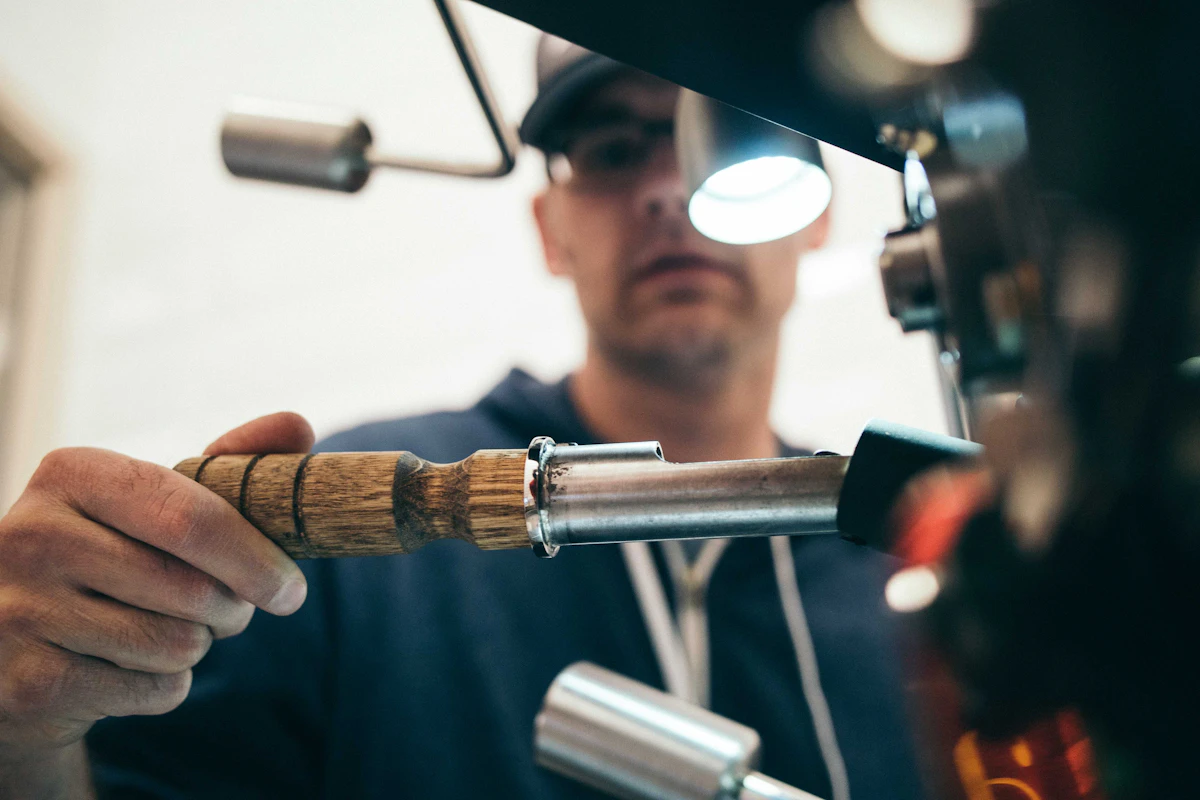
Wood Carving Workshop
From IDR 500.000
Wood Carving Workshop
 Art & Craft
asda
From IDR 24.242
asda
Don't Miss
Essential Ubud
Tegalalang Rice Terraces
The iconic stepped paddies north of Ubud — best at golden hour, when the light catches the water in the flooded fields.
Campuhan Ridge Walk
A two-kilometre walk along a jungle ridge above the Campuhan river — peaceful, green, and free.
Pura Tirta Empul
A water purification temple where Balinese Hindus bathe in spring-fed pools as a ritual act of spiritual cleansing. One of Bali's most sacred sites.
Practical Tips
Before You Go
The central market operates at its best between 5am and 7am — this is when locals shop, before the tourist goods arrive.
Most temples require a sarong, which can be borrowed at the entrance. Bring your own to avoid queues.
Ubud's narrow main road becomes gridlocked from midday to 2pm. Walk, cycle, or ask your driver to take back roads.
Afternoon rain is common from November to March. Most workshops and experiences are indoors.
Ready to explore?
Book an Experience in Ubud
Handpicked by people who know the island. Every experience is led by a local.